
Kids Jiu Jitsu in Yakima
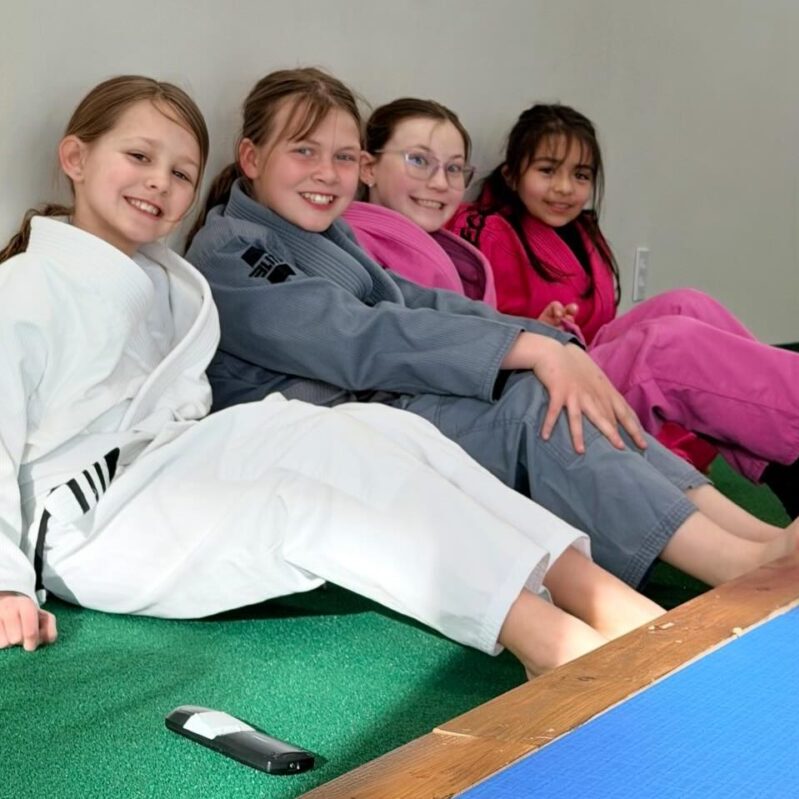
Youth and kids jiu jitsu has a home at Chess Lab BJJ - and it's unlike anything else your child will find in the valley.
We offer structured, age-appropriate classes for kids starting at age 4, taught by experienced coaches.
Whether your child needs a confidence boost, an outlet for energy, or a real skill they can carry through life, this is where they start.
Try your first class free. No commitment, no pressure. Just come see what it's about.
What Kids Jiu Jitsu in Yakima Teaches That Other Activities Don't
Most kids' activities teach skills. Brazilian Jiu Jitsu (BJJ) teaches kids how to think - fast, under pressure, with another kid pushing back.
Brazilian Jiu-Jitsu is built around leverage and control, not size or strength. A smaller child can learn to manage and escape a larger opponent using technique alone. That's not something you get from soccer, karate, or most team sports. It's a skill that builds real confidence - because kids earn it. They test it in class, against real resistance, every single week.
For parents, the results tend to show up at home before they show up on the mat: better focus, more patience, more respect. That's what we hear most often from Chess Lab families after the first few months.
Our Kids BJJ Classes
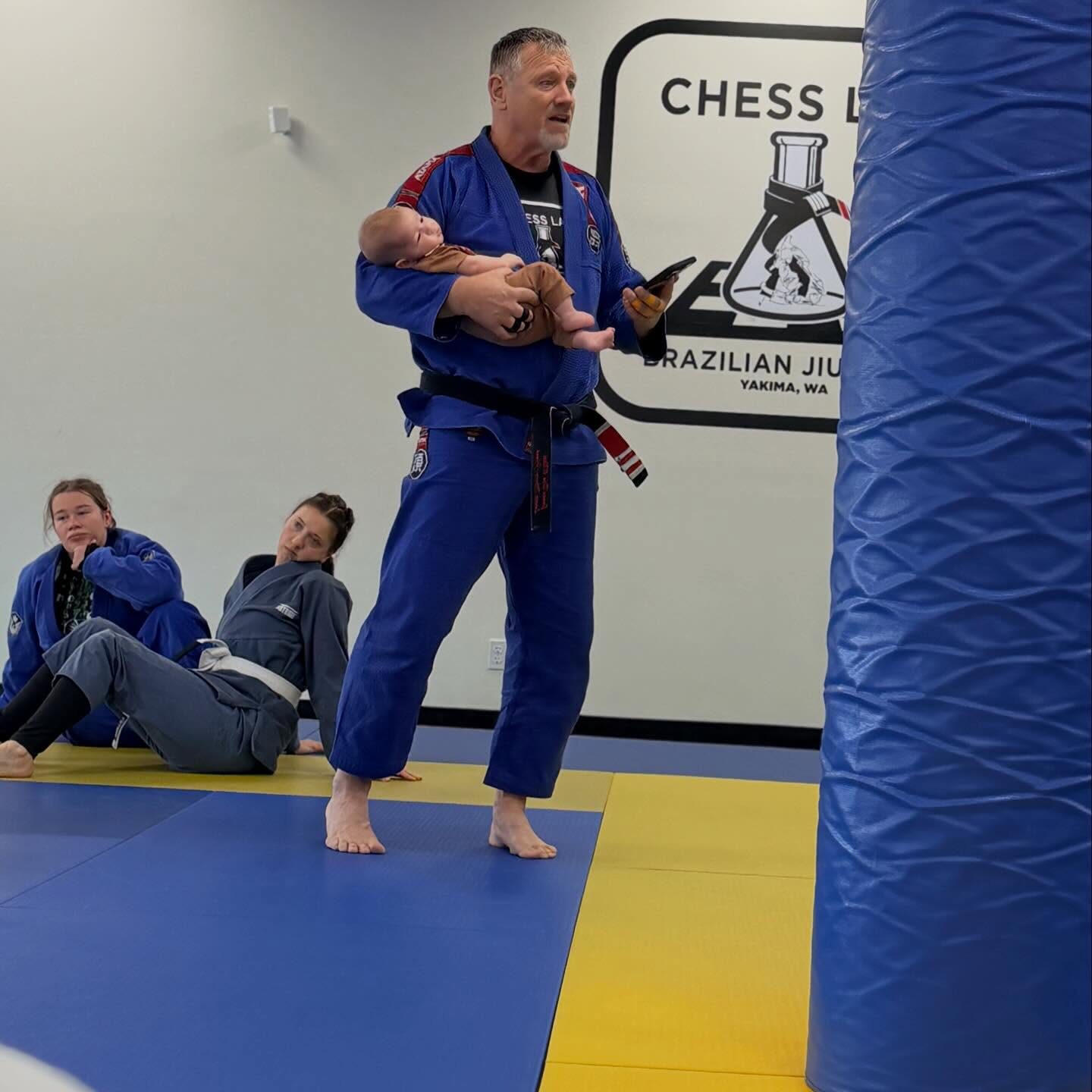
We offer three (3) separate class tracks so every child trains with peers at the right level.
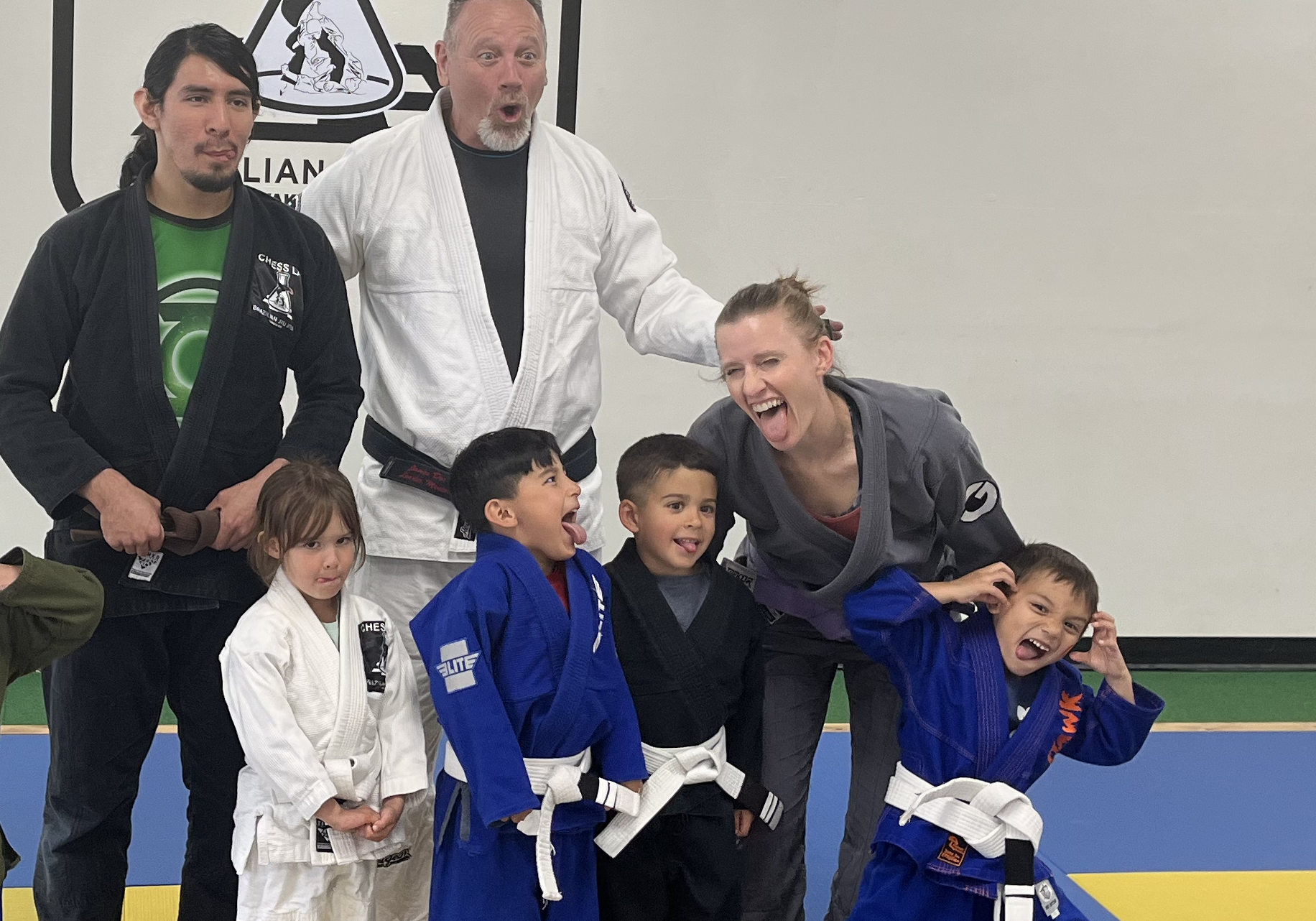
Little Champions | Ages 4-6
MON - WED at 4:30 PM
Approx. 45-60 minutes
Our youngest students get a class built specifically for them:
- shorter focus windows,
- movement-based warm-ups, and
- games that teach technique without losing a 4 year old's attention.
We expect our 4-5 year olds to struggle at first with some of the movements, emotional regulation, and following directions. That's completely normal and part of the process. Our coaches are trained to meet kids right where they are.
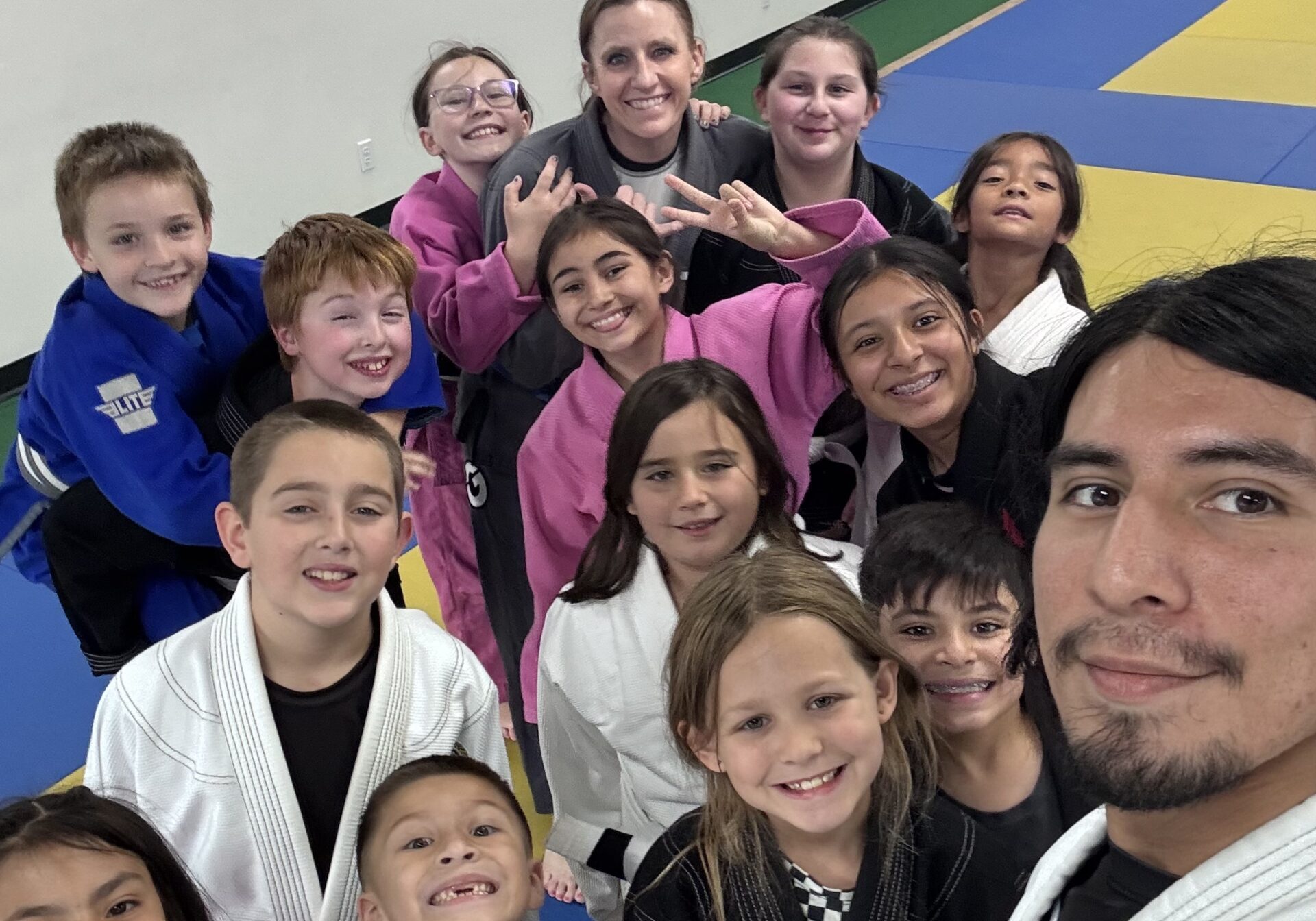
Youth BJJ | Ages 7-13
MON - THUR at 5:30 PM
Approx. 45-60 minutes
Four days a week for kids who are ready to level up their training.
This class follows a more structured curriculum with consistent technique drilling, live sparring, and belt progression. At ages 12-13, students who demonstrate the right size and skill level may be invited to train in our adult classes.
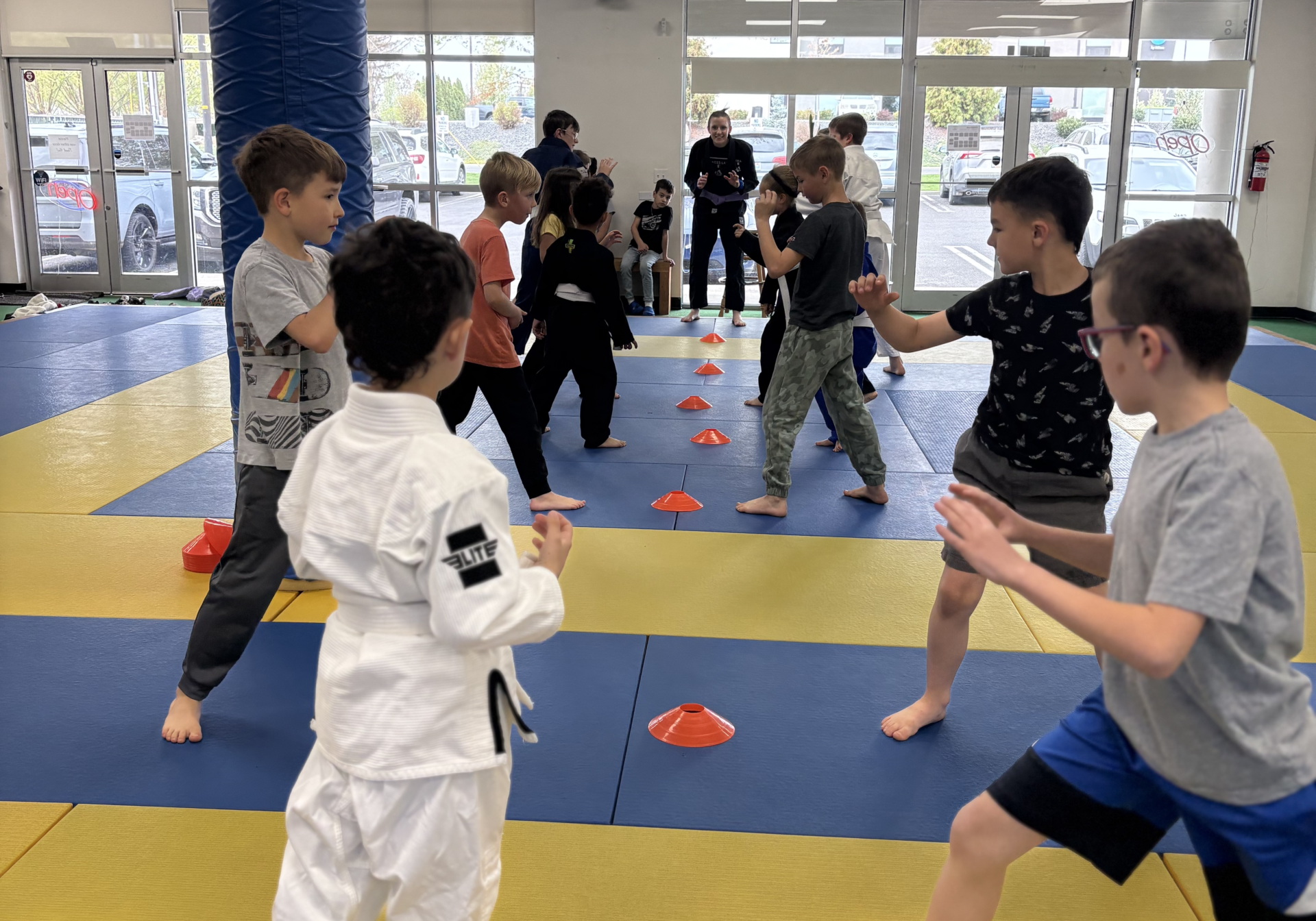
Homeschool BJJ | Ages 5+
FRI at 11 AM
60-minute class designed for homeschool families
A Friday morning option for homeschool families and is a great fit for kids who want more mat time during the week.
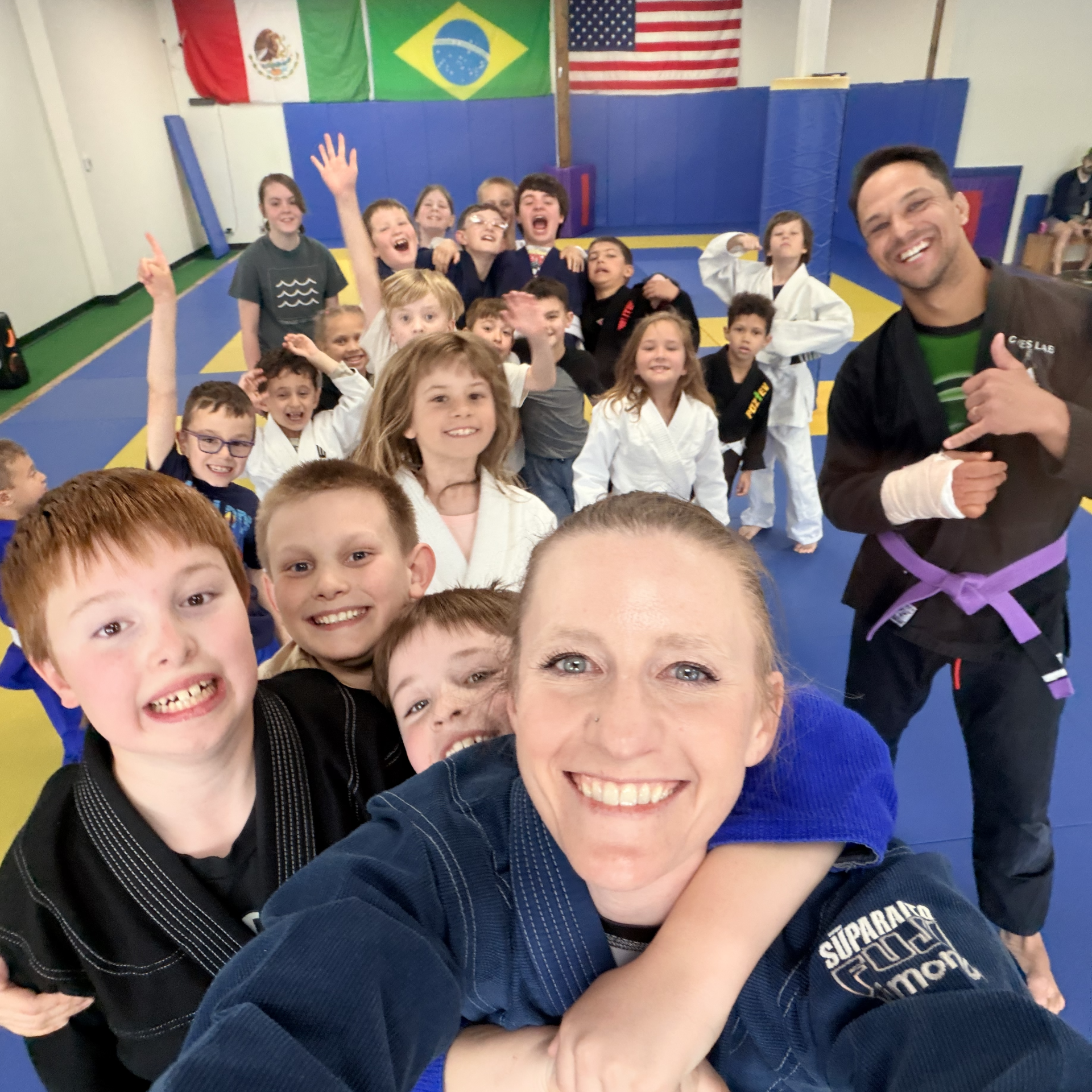
What a Typical Class Looks Like
No chaos. No free-for-all. Every class at Chess Lab follows a clear, coached structure:
- Line up and bow in: Respect is built into the format from the first second.
- Warm-up: Traditional warm-ups or training games depending on the class.
- Technique instruction: 1-3 techniques introduced and drilled. Coaches walk students through each movement step by step.
- Drilling: Kids spend roughly half the class practicing the techniques with a partner.
- Game or sparring: Class finishes with either a structured game or supervised rolling (sparring).
- Line up and bow out: Every class ends the same way it started: with intention.
The Belt System | How Kids Progress
Chess Lab uses the official IBJJF youth belt system, recognized internationally as the standard for kids' Brazilian Jiu Jitsu.
Every new student starts with a white belt and can work their way through the full youth progression before age 16.
Youth belt order: White, Gray, Yellow, Orange, Green
Each belt has three variations: white-stripe, solid, and black-stripe.
Students earn stripes along the way based on time on the mat, effort, and behavior - showing respect, being a good training partner, and upholding the values of the gym. Four stripes leads to the next belt.
There are no belt tests at Chess Lab. Every student progresses at their own pace and builds their own personal game of jiu jitsu. Progress is individual - not a checklist.
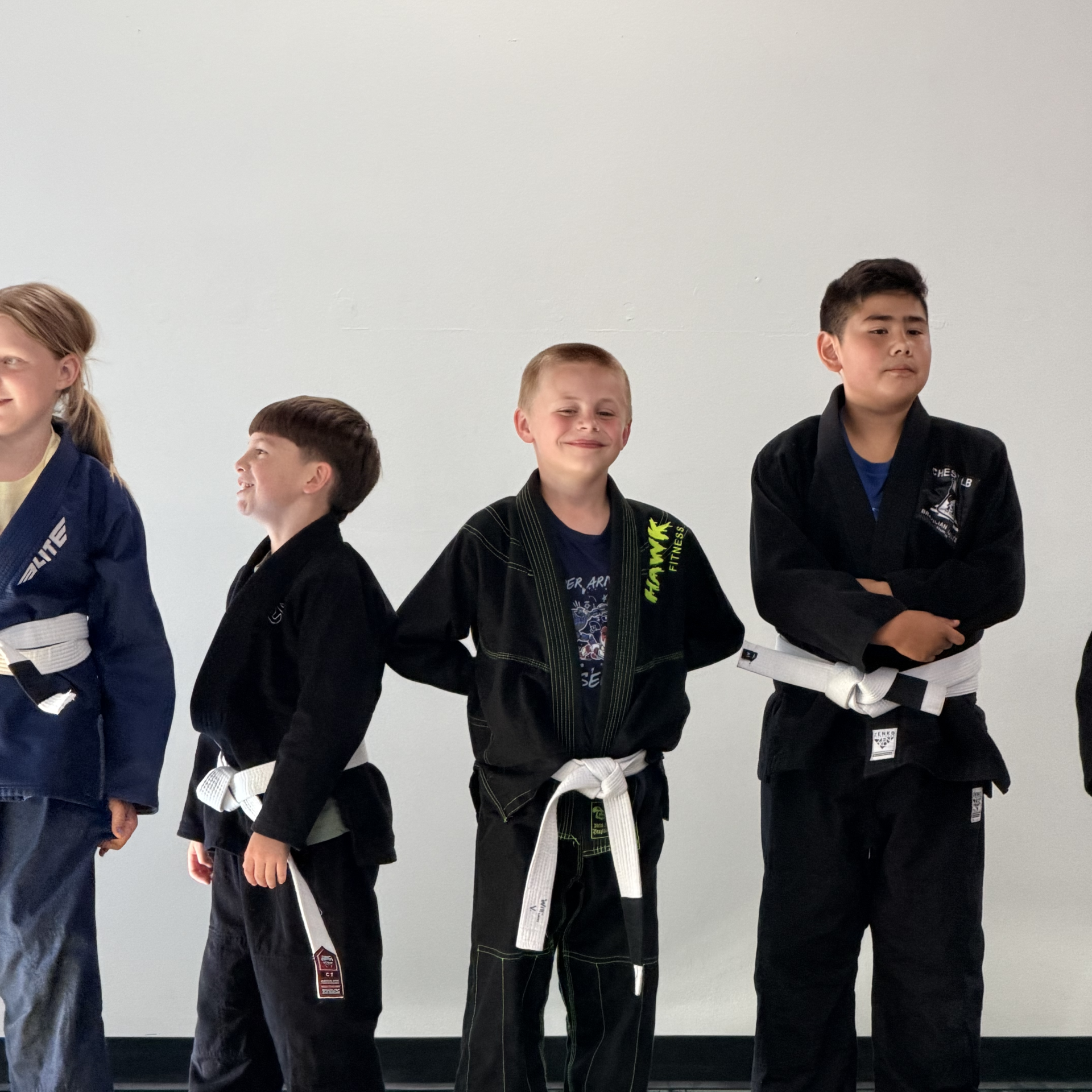
Meet the Kids Coaches
All of our coaches have trained BJJ, coached youth athletes, and most are parents themselves.
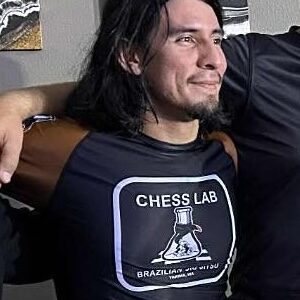
Oscar Delgado
Lead Kids Coach
Oscar is a 2-stripe brown belt with over 5 years of experience teaching kids' BJJ classes. He knows how to connect with younger students - how to hold their attention, push them at the right pace, and make the art feel achievable. If your child trains at Chess Lab, they'll spend most of their time learning from Oscar.
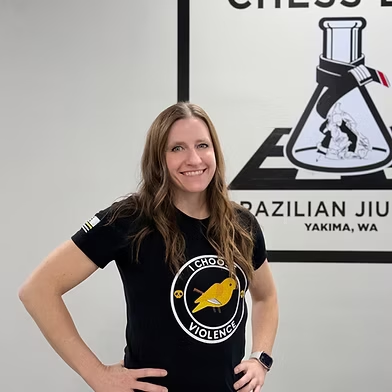
Jen Bailey
Kids Co-Coach
Jen is a purple belt and owner of Chess Lab BJJ Yakima. She has four years of experience teaching and assisting with the kids program and plays a direct role in shaping what the youth curriculum looks like day to day. She's a mom of 4 and is of course, a natural with the kids.

Additional Coaches
Professor James O'Neal, Jordan Vanderhoof, and other assistant coaches step in regularly to support the kids classes. Your child will always have experienced eyes on the mat.
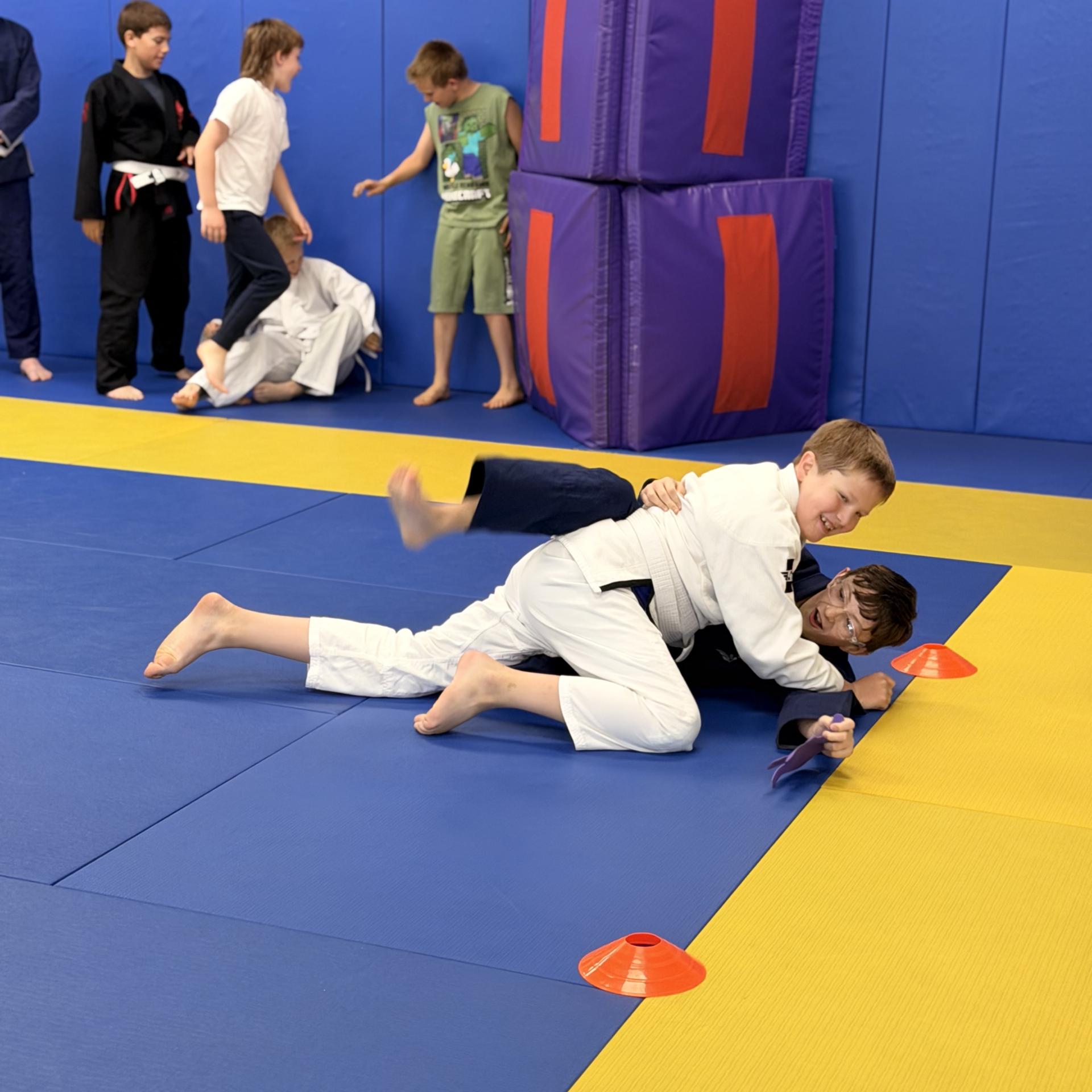
BJJ vs. Karate - What's the Real Difference for Your Kid?
Parents ask this question constantly, and it's a fair one. Here's the honest answer:
Both BJJ and karate build discipline and confidence. But they teach completely different skills.
Karate focuses on striking - kicks, punches, and choreographed forms. BJJ is a grappling-based martial art built around leverage, control, and real-world problem solving. For kids, that difference matters more than most parents realize.
Most real conflicts - especially bullying situations - don't play out in stand-up striking exchanges. They happen in grabs, holds, and ground situations. BJJ is built for exactly that scenario. Kids learn how to control an opponent, escape dangerous positions, and use technique instead of force. Size and strength are not required.
The other major difference is how kids learn. In BJJ, students get live, fully resistant practice in every single class. They test their skills safely through rolling - actual sparring with a real partner - which builds genuine confidence, not just the appearance of it. Instead of memorizing forms, they learn to think under pressure, adapt, and solve problems.
Those are skills that carry far beyond the mat.
What Parents Tell Us
The most common reason parents bring their child in is bullying. A kid is struggling socially, losing confidence, and parents want to give them something real to hold onto.
After a few months of kids jiu jitsu, here's what we hear back most often:
- Increased confidence - not just at the gym, but at school and home
- More respect shown toward parents and authority figures
- Improved focus and performance in school
- Better social interactions and emotional regulation
Some of our students have gone on to compete - and every single one of our kid competitors has made the podium. We encourage competition as an option, but it is never a requirement to progress in the sport.
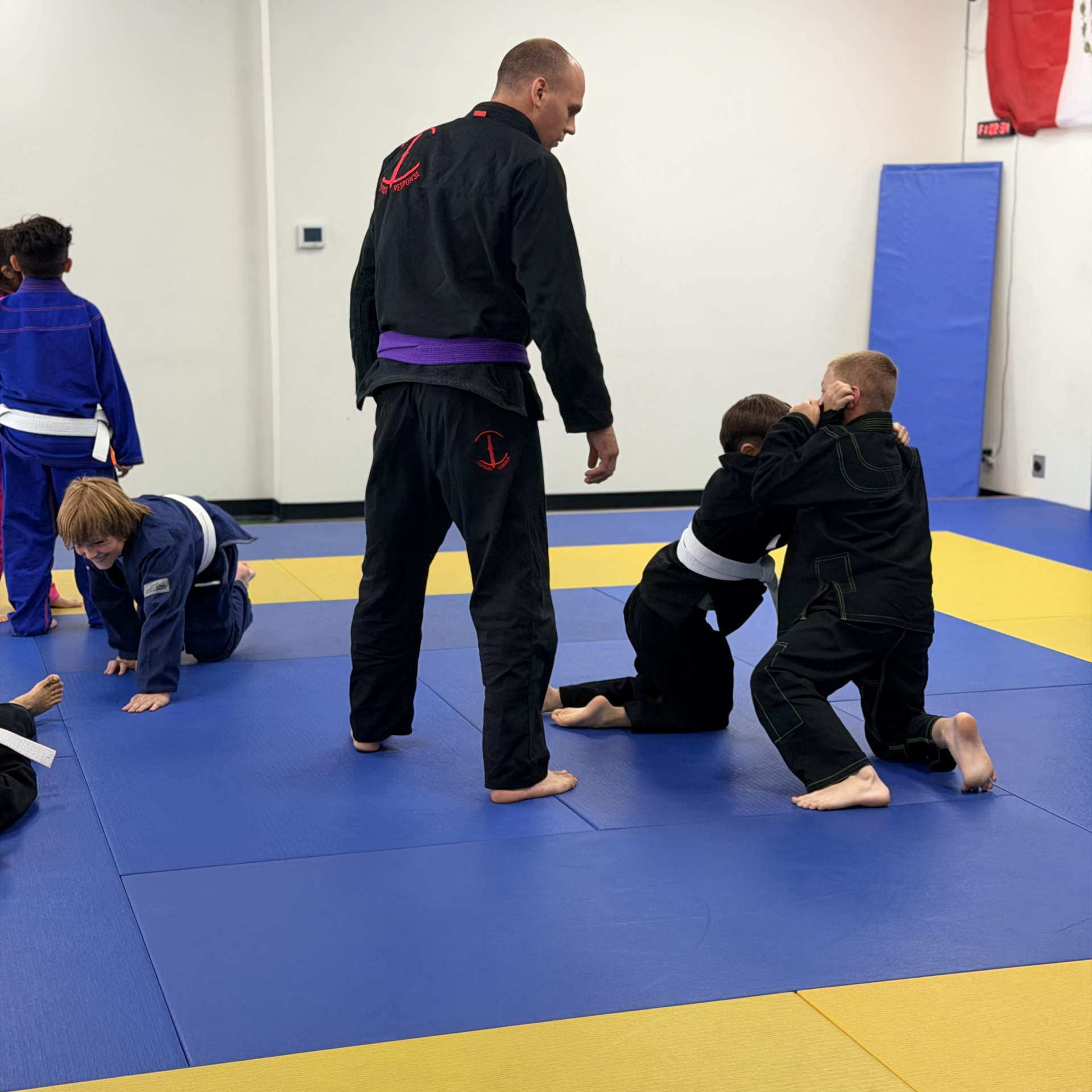
Safety and Discipline at Chess Lab
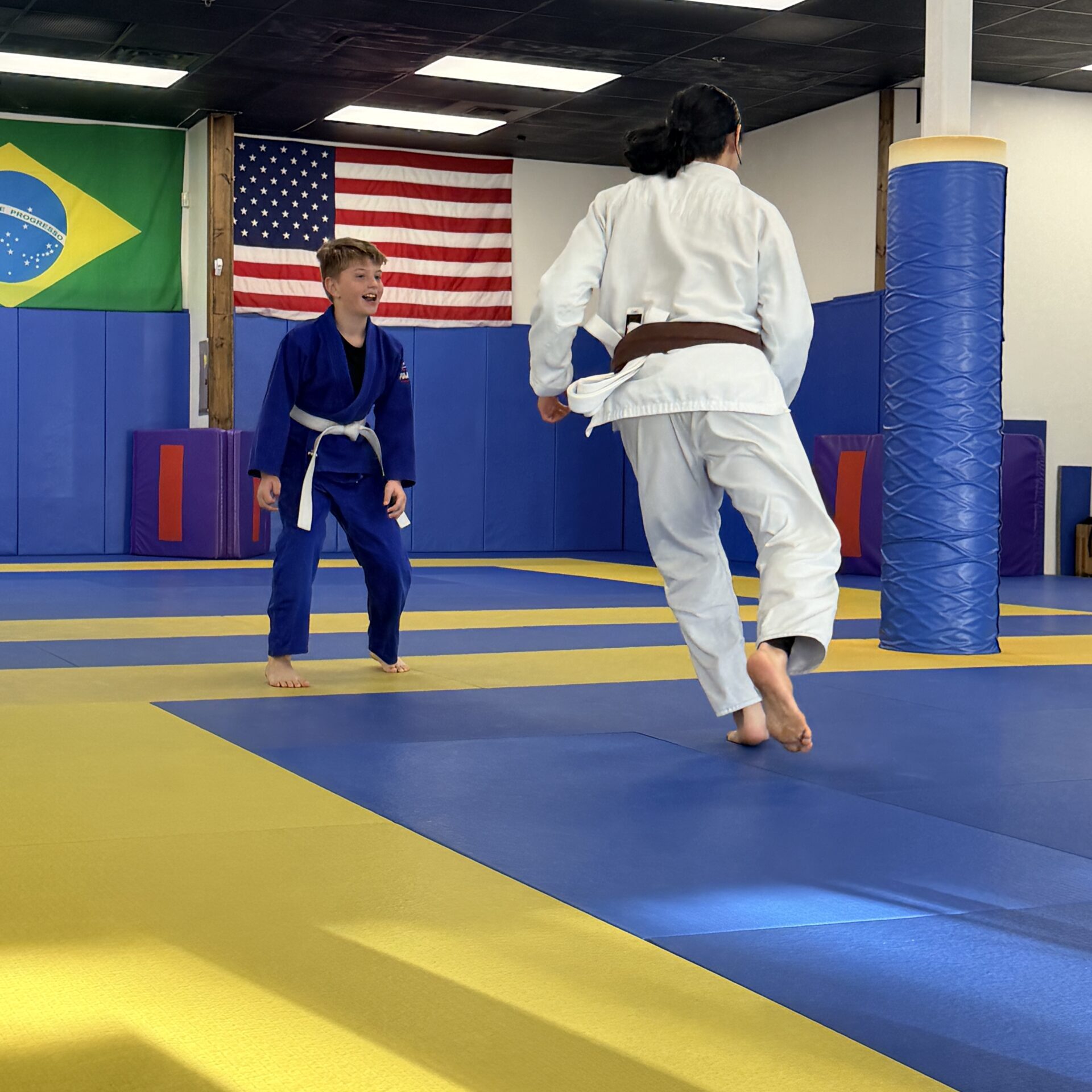
Brazilian Jiu Jitsu is a contact sport. We don't pretend otherwise, and we don't take the responsibility lightly.
Every student is taught from day one that being a safe training partner is as important as any technique. Coaches actively monitor sparring sessions and will stop, redirect, and retrain any time something unsafe is happening.
For discipline, we follow a progressive approach:
- Warnings and redirection
- Sitting out of an activity until the student can re-regulate and re-join
- A direct conversation with the child and their parent together
- If needed: A temporary suspension based on the severity of the behavior
For the record, we have never had to suspend a student.
When conflicts arise between students, coaches work to understand both sides and encourage resolution. Students may be kept apart as training partners temporarily while things cool down, and the process is handled with care and fairness.
Frequently Asked Questions About Kids Jiu Jitsu
We accept students starting at age 4.
In rare cases - if an older sibling or parent is already training - a child slightly younger may be ready, but 4 is our general baseline. We'll always be honest with you if we think your child needs a little more time.
Helpful BJJ Resources
Also on the Chess Lab BJJ Yakima website:
- View the Full Class Schedule - Find current kids class times and days
- Membership Options - Youth, family, and adult memberships with flexible pricing
- About Chess Lab BJJ Yakima - Our story, lineage, and lead instructor